




Growth hacks
Taxi Apps in Saudi Arabia | A Guide for Taxi Business Owners
Taxi apps are changing the way people get around in Saudi Arabia. Today, more riders use their phones to book taxis instead of calling a dispatcher.

Ebenezer
Mar 20, 202510 min read
Why Starting a Taxi Business Is a Good Idea in 2026
The Basics of Starting a Taxi Business
Market Research: Understand the Industry
Planning Your Taxi Business
Legal Requirements
The Role of Technology in a Taxi Business
Marketing and Growing Your Taxi Business
Wrapping Up
Are you thinking about starting your own taxi business, like Uber? The world of transportation looks completely different today compared to a few years ago. More people prefer ride-hailing services instead of owning a car because it is more convenient, affordable, and stress-free. This change in behaviour has created a huge opportunity for new taxi brands to enter the market and grow fast.
2026 continues to favour businesses that provide reliable and customer-focused mobility services. The demand for taxis keeps rising because people still need safe and quick transportation for daily travel, work, airport transfers, events, and medical visits. A well-managed taxi business can run successfully throughout the year and generate consistent income.
Here’s a simple guide to help you get started and succeed in the competitive world of ride-hailing services. It will walk you through the essential steps you need to take to launch a successful ride-hailing business, we’ll cover everything you need to know to get started.
Taxi services stand strong even during tough economic periods because transportation is a basic daily need. Families, professionals, tourists, students, and senior citizens depend on taxis to move around. A modern taxi service that offers app-based bookings, real-time tracking, and digital payments can attract loyal customers who value convenience.
The business also allows you to grow at your own pace. You can begin with a small fleet or even one car, then expand to more vehicles as demand increases. Some taxi operators scale extremely fast by choosing a marketplace model where drivers use their own cars. It reduces the initial investment and accelerates growth.
Technology is now the biggest driver of success in this industry. Companies that provide a smooth booking experience through a mobile app grow faster than those that operate through calls only. If you want to compete in today’s market, customers must be able to book, track, and pay without friction.
Modern taxi operators do not need to build apps from zero. Ready-made white-label taxi platforms allow new businesses to launch within days instead of months and without spending on development teams. It keeps the focus on business growth instead of technology struggles.
Starting a taxi business in 2026 is a smart move if you want an opportunity that is scalable, profitable, and relevant long term. Many first-time founders are choosing mobility because it gives high earning potential and strong market stability.
If you plan to enter the ride-hailing industry soon, the ideal first step is exploring a white-label solution that saves time, reduces costs, and supports fast launches. It helps you reach customers before competitors and gives you a professional setup from day one.
As per the study published by Grand ViewResearch, the global ride-hailing and taxi market was valued at USD 199.14 billion in 2021 and is expected to expand at a compound annual growth rate (CAGR) of 11.7% from 2022 to 2028.
Another report from Mordor Intelligence estimates the taxi market size at USD 278.65 billion in 2024, expected to reach USD 432.56 billion by 2029, growing at a CAGR of 9.01% during the forecast period (2024-2029).
Starting a taxi business requires more than buying cars and hiring drivers. Success depends on how well you understand the market, how smoothly you run operations, and how easy it is for customers to choose your service over other options.
Do Market Research: Know your competitors, understand customer needs, and find out what gaps exist in the market.
Create a Business Plan: You’ll need to think about your business model, budget, and how to market your service.
Comply with Legal Requirements: Make sure you follow local laws and obtain the necessary licenses.
Use Technology: Create or buy a taxi booking app like Uber to make it easy for customers to book rides.
Let’s dive deeper into each of these steps.
Market research helps you understand what riders expect and how you can position your taxi service in a competitive market. Skipping this step often leads to poor decisions, slow growth, and wasted money. A taxi business grows faster when it knows exactly who it is serving and how to serve them better than existing players.
Passengers choose a taxi service based on convenience. They want a cab that arrives on time, charges a fair price, follows safe driving practices, and allows simple booking and payment options. Most people don’t stay loyal to a taxi brand just because of low fares. They return because the experience feels smooth from start to finish.
You can collect insights through online surveys, social polls, customer interviews, and local community feedback. Many new taxi startups discover valuable patterns during this stage, such as:
Each insight gives you an opportunity to build something better than what is already available.
The fastest way to create demand is to solve a problem that competitors overlook. Large companies like Uber focus on volume and do not always specialise in every use case. Smaller operators often succeed by filling micro-gaps in the market. For example:
When you position your service as the answer to a specific problem, you build loyalty quickly and reduce advertising costs.
Studying competitors reveals what customers like and dislike in existing services. You can observe reviews, pricing patterns, driver policies, refund systems, and peak hour strategies. Uber and Lyft became successful due to fast booking, cashless payments, and real-time GPS tracking. They also faced backlash for slow customer support, sudden price surges, and limited driver incentives.
You learn from both sides. Strong points show what riders value most. Weak points show where you can win customers who are already unhappy with their current provider.
A taxi service does not need to appeal to every rider. The best-performing companies focus on specific customer groups. Your target audience might include:
Each target group has different expectations. For example, night-life riders want 24/7 availability, while tourists care about fixed transparent fares. Understanding these expectations helps you design the right pricing, service zones, and marketing messages.
Planning is the stage that decides how strong your taxi business will be. A taxi service doesn’t grow only by buying cars and putting drivers on the road. Growth comes from a clear business direction, the right target customers, defined routes, and a pricing strategy that matches the market.
There are different business models you can choose for your taxi service. The two most common models are:
Owner-Driver Model: In this model, you own the cars, and drivers work for you. This gives you more control over the business, but it also requires more upfront investment.
App-Based Model (Like Uber): In this model, drivers use their own cars, and you provide the technology to connect them with customers. This model is more flexible and requires less initial investment, but you’ll need to focus on building and managing the technology platform.
Choose the model that best fits your budget, goals, and risk tolerance.
A well-thought-out financial plan is essential for any business. You’ll need to budget for both the initial costs and the ongoing expenses of running your taxi service.
Initial costs may include:
Ongoing expenses will likely include:
Make sure your budget is realistic, and consider setting aside extra funds for unexpected expenses.
Every successful business needs clear goals. These might include:
Setting measurable goals will help keep you focused and allow you to track your progress over time.
Running a taxi business comes with a number of legal responsibilities. Before you start, make sure you’re familiar with the laws in your area.
Every country, and often each city, has its own rules for operating a taxi business. You’ll likely need:
Make sure you follow all the rules to avoid fines or legal problems down the road.
You also must follow local laws. These laws cover things like registering your taxi, ensuring it is safe to drive, setting fair prices for rides, and knowing when you can operate your taxi service. It is important to understand these laws because failure to follow them can lead to fines, business shutdowns, or even lawsuits. Staying compliant with local laws not only keeps your business safe from fines but also helps build trust with your customers.
Technology is at the heart of modern taxi businesses. The most successful companies, like Uber, use mobile apps to make it easy for customers to book rides, pay for services, and track their drivers in real time. If you want to compete in today’s market, having a reliable taxi booking system is essential.
When taxi businesses need a booking app, they have two main choices: building an app from scratch or buying a white-label solution. Creating an in-house app allows the business to match its brand perfectly, but it requires a lot of time, money, and expert developers. On the other hand, a white-label solution, like an Uber clone, Bolt clone, Lyft clone, is cheaper and faster to launch. However, it might not offer as much customization. The best option depends on the business’s needs, budget, and timeline.
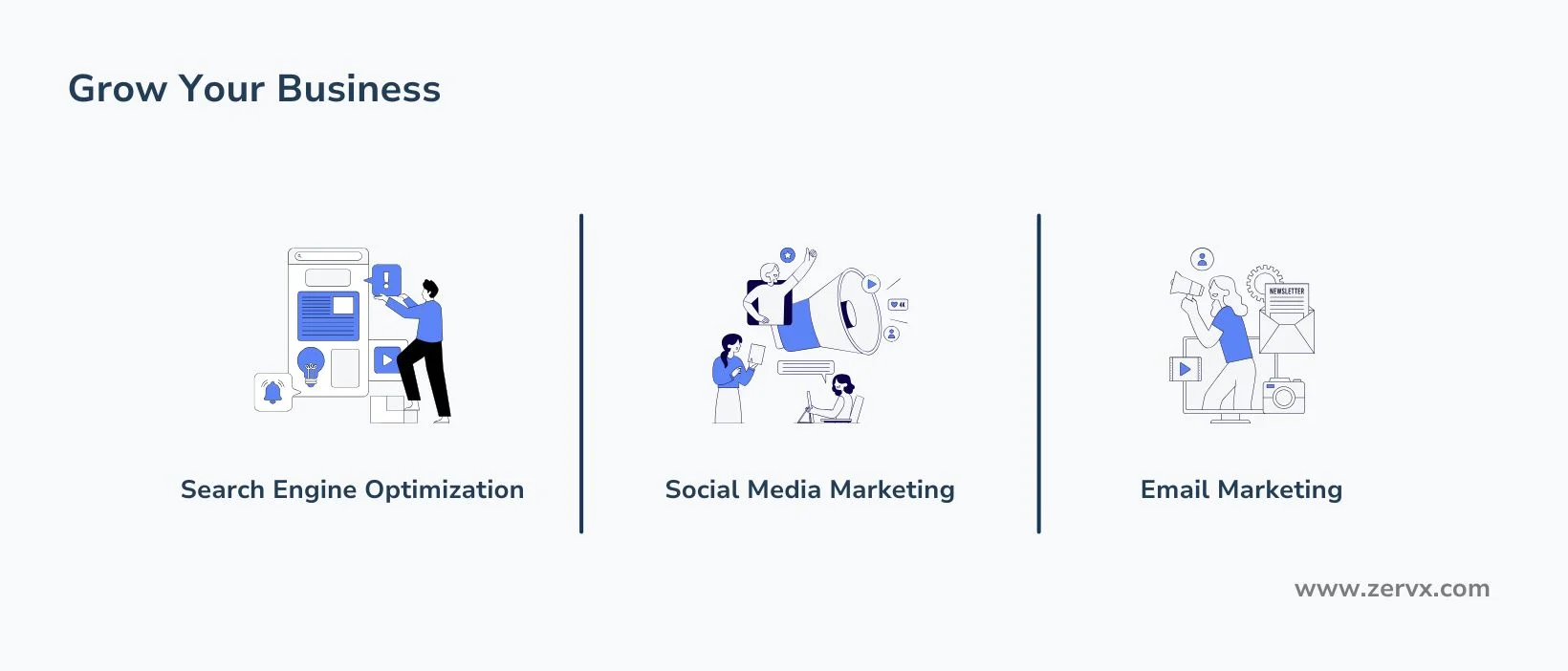
Once your taxi business is set up, you need to market it to attract customers. There are various marketing techniques by which your taxi business can attract customers & secure its place within the market. Here are some simple strategies to get started:
By focusing on good customer service and smart marketing strategies, you can grow your taxi business and attract a loyal customer base.
The current market is full of opportunities for a taxi business. Many successful taxi companies continue to expand and generate good profits while providing essential services to their communities.
To thrive in this competitive landscape, business owners must conduct thorough market analysis, develop effective strategies, and comply with all legal requirements. Having a reliable taxi booking system is vital for enhancing efficiency, ensuring customer satisfaction, and building loyalty.
In summary, the key to a successful taxi business is understanding your customers, offering safe and high-quality services at fair prices, and adapting to their evolving needs. With the right approach, you can create a thriving taxi business that meets the demands of today’s riders.

Brand Manager
Passionate strategist and creative mind, executing effective brand strategies and marketing campaigns for business growth.
Why Starting a Taxi Business Is a Good Idea in 2026
The Basics of Starting a Taxi Business
Market Research: Understand the Industry
Planning Your Taxi Business
Legal Requirements
The Role of Technology in a Taxi Business
Marketing and Growing Your Taxi Business
Wrapping Up
Blog

Taxi apps are changing the way people get around in Saudi Arabia. Today, more riders use their phones to book taxis instead of calling a dispatcher.
Ebenezer
Mar 20, 2025
If you're looking for a taxi app development company, chances are you've already decided your business needs an app.
Ebenezer
July 16, 2026
You’ve got the idea. You know the market. You’ve seen the gaps that Uber, Bolt, or local taxi apps haven’t filled yet. Now you’re standing at a big decision point.
Ebenezer
June 09, 2025